
Destination
Upper Mustang Trek Details
Upper Mustand Trek
Overview
Hidden in the northern part of Nepal, Upper Mustang is one of the country’s most unique and culturally fascinating trekking destinations. Known as the “Last Forbidden Kingdom,” the region remained restricted to foreign visitors until 1992.
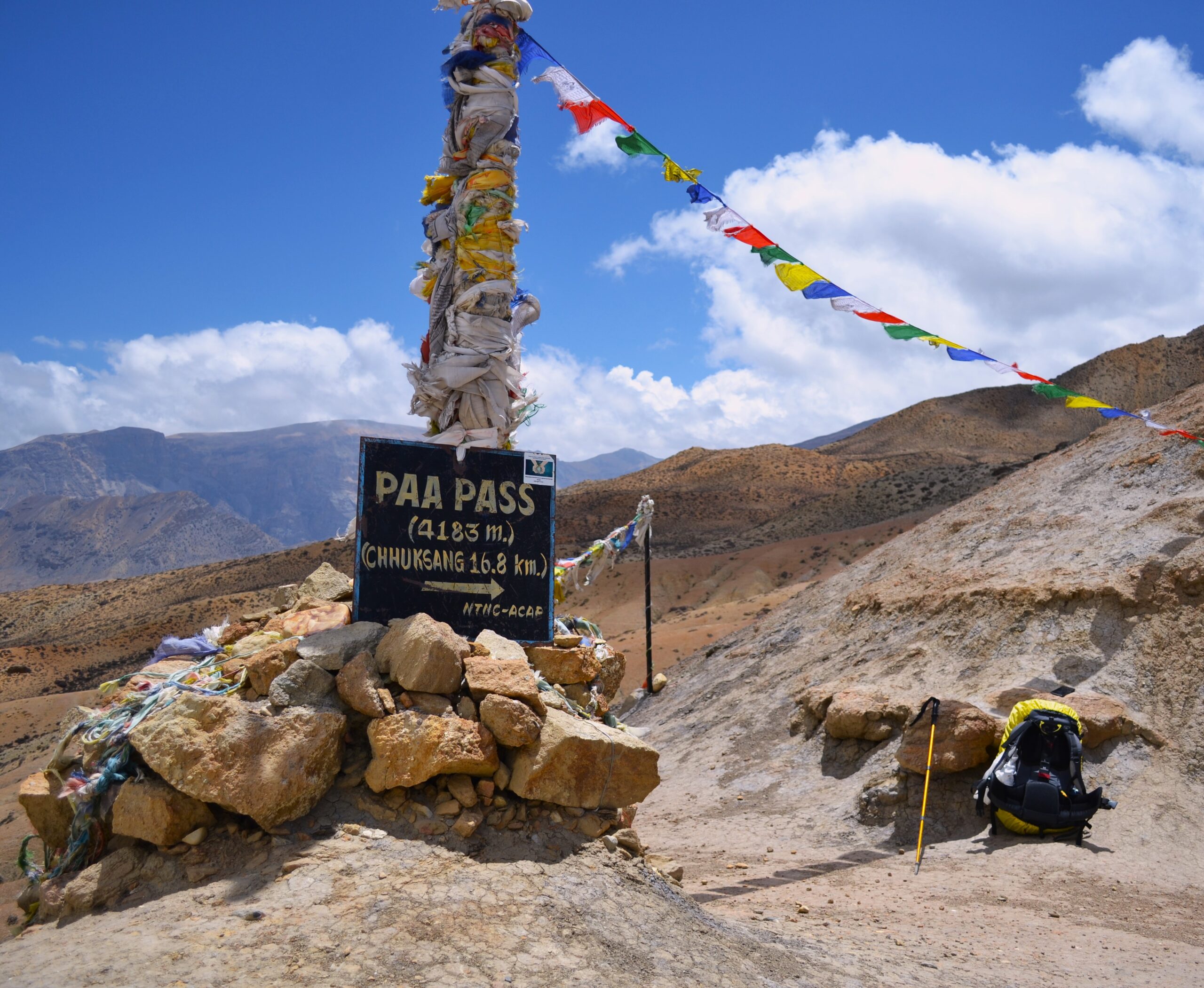
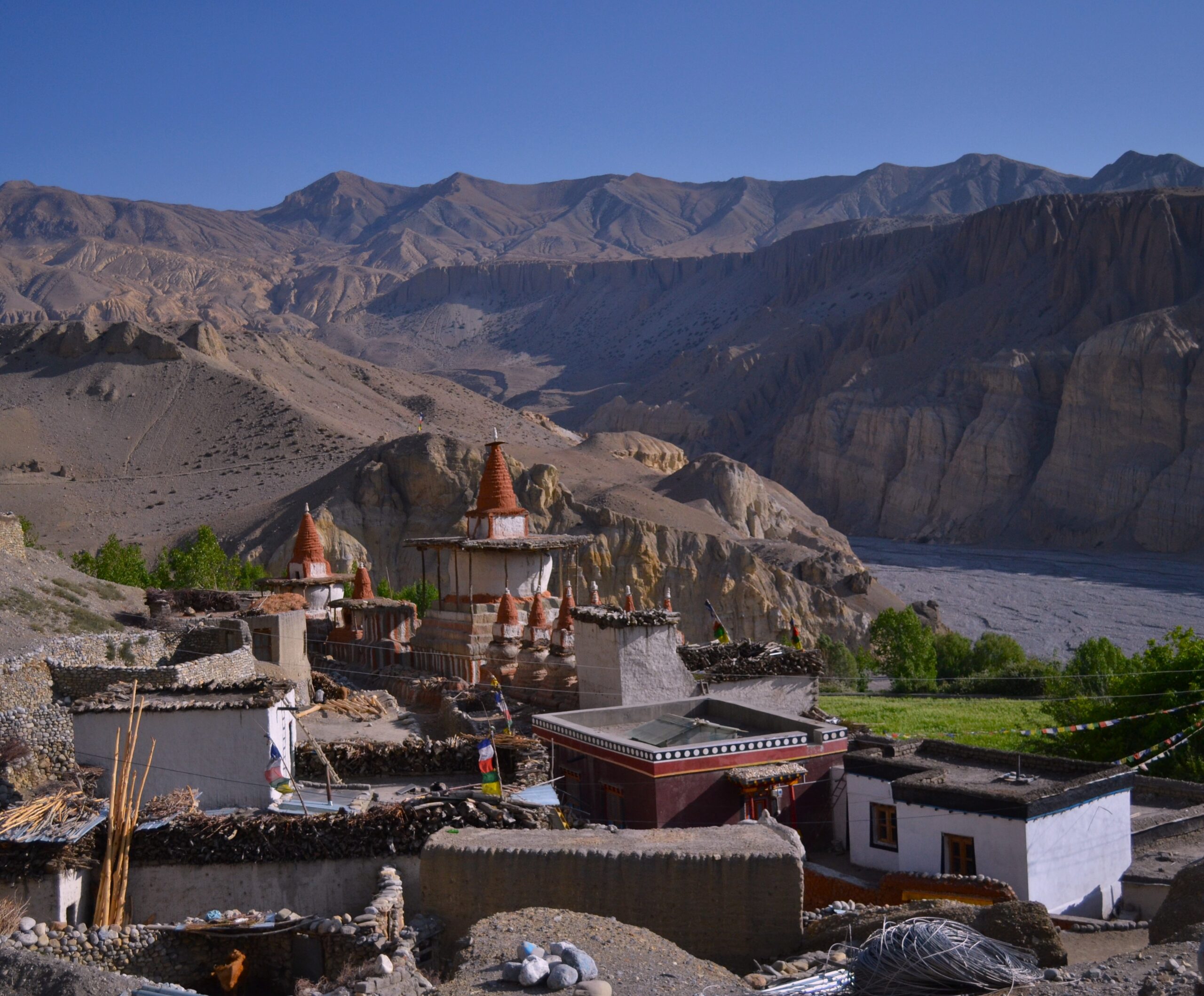
Today, Upper Mustang offers a remarkable journey through dramatic landscapes, ancient monasteries, traditional villages, mysterious caves, and centuries-old Tibetan Buddhist culture. Although roads have now reached many parts of the region, there are still plenty of opportunities to explore the most scenic sections on foot and avoid walking alongside the main roads. The trek generally takes 12–15 days, depending on your available time, fitness level, transportation preferences, and interests. We can customize the itinerary accordingly.
Highlights
Lo-Manthang – The Ancient Kingdom of Lo
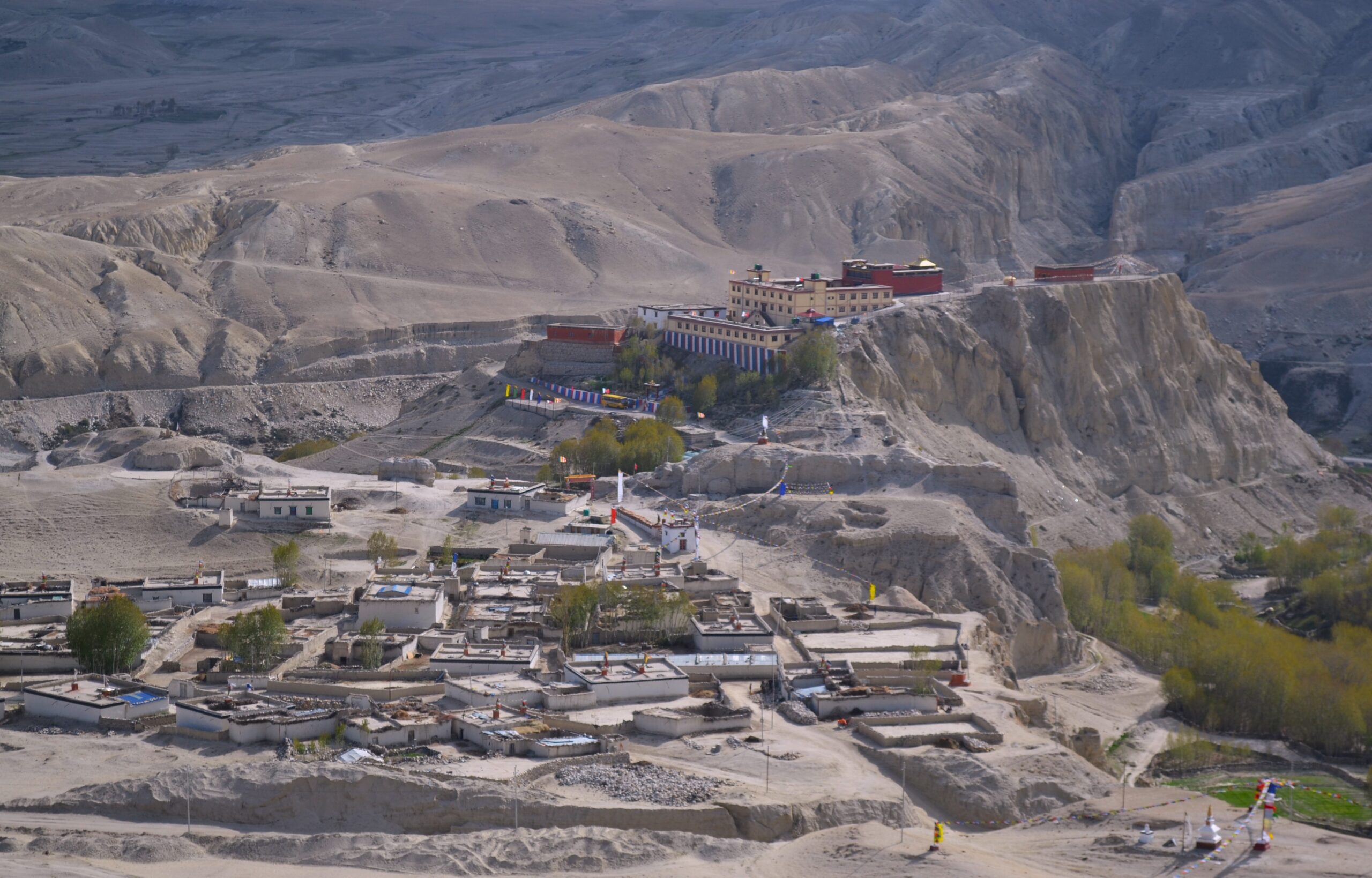
The historic walled city of Lo-Manthang is the cultural heart of Upper Mustang and the former capital of the Kingdom of Lo. Its ancient monasteries, traditional houses, narrow streets, and historic buildings offer a fascinating glimpse into the region’s past.
The annual Tiji Festival is one of the most important cultural celebrations here, featuring traditional Buddhist rituals, dances, and ceremonies.
Dramatic Mustang Landscapes
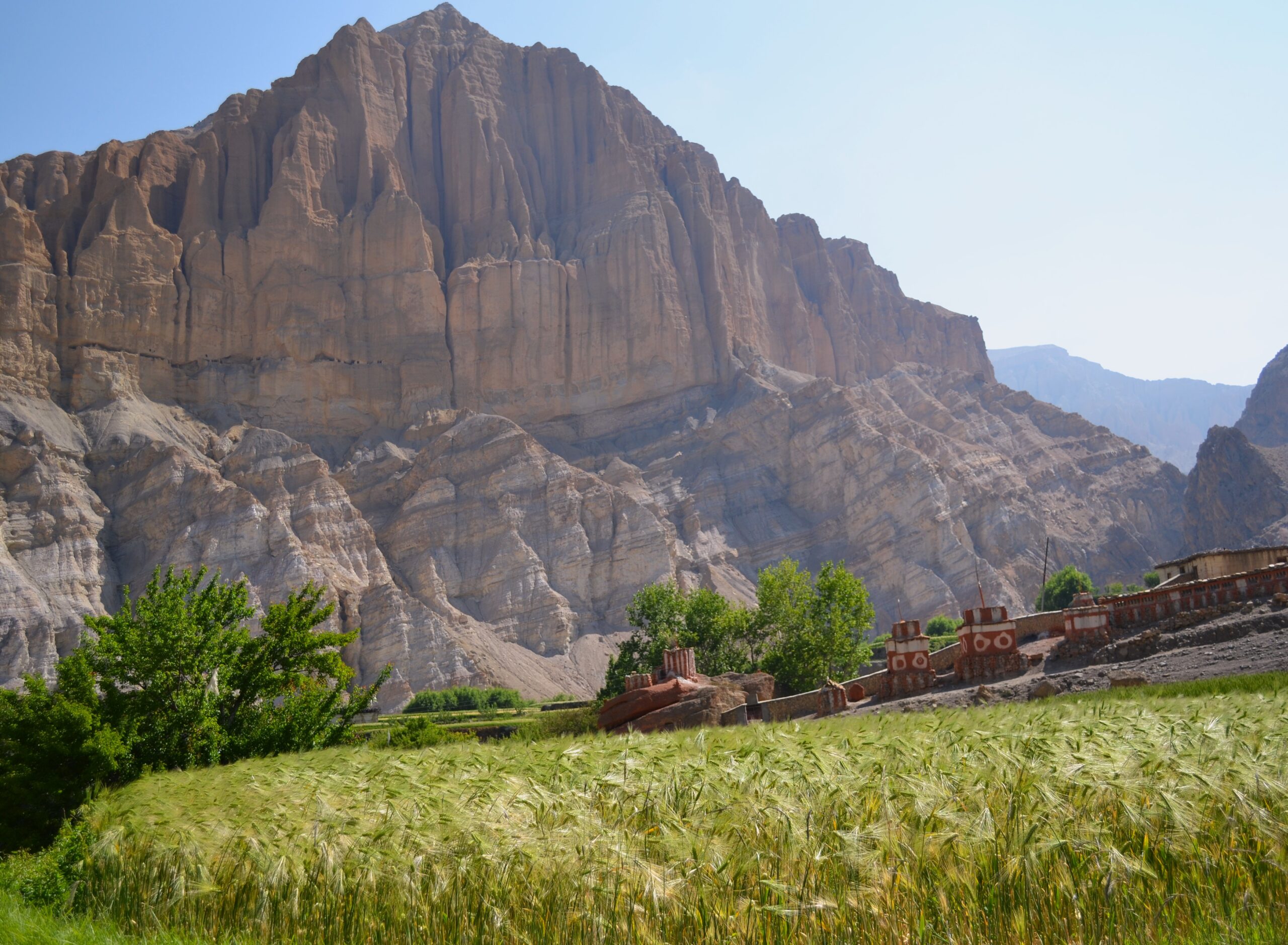
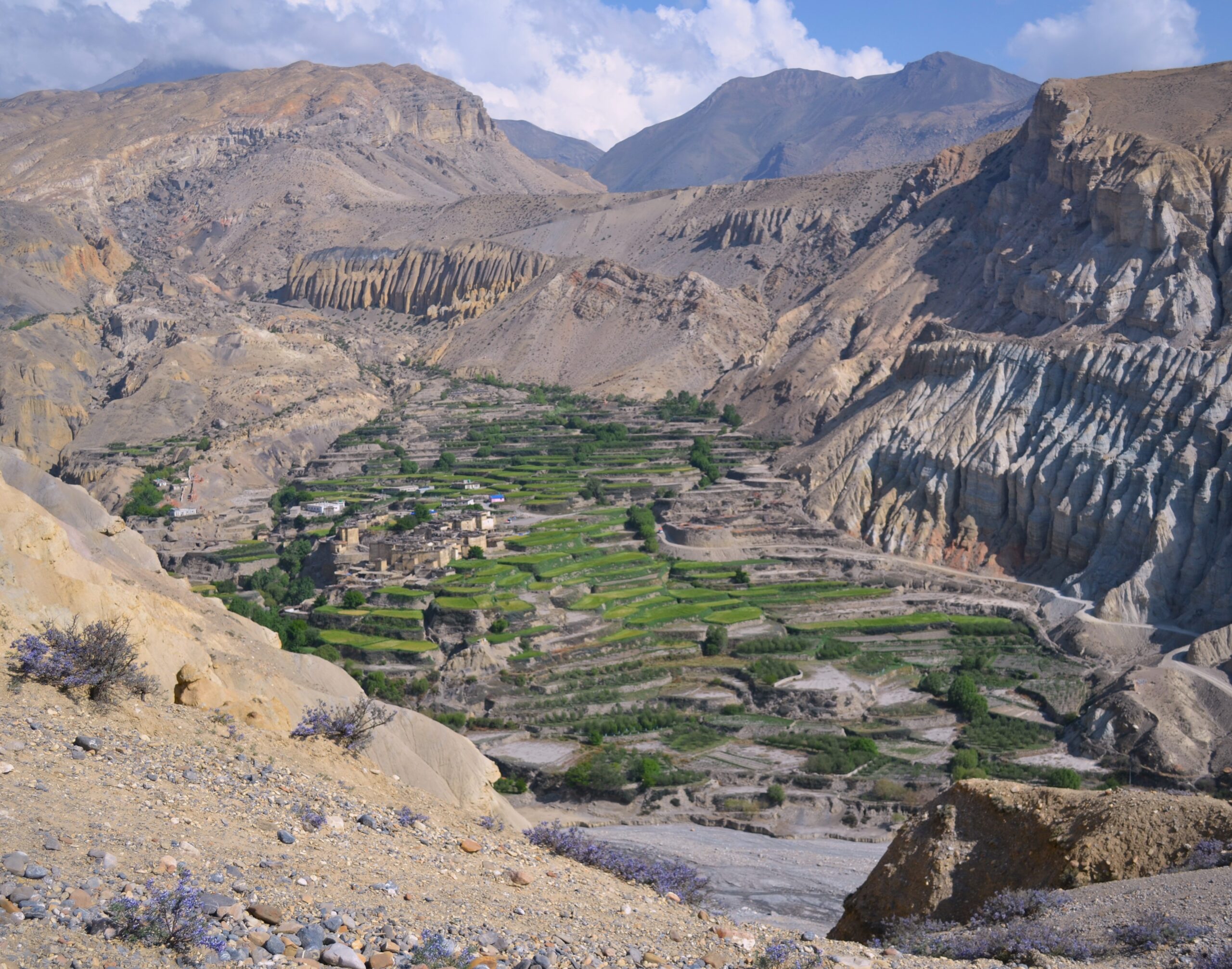
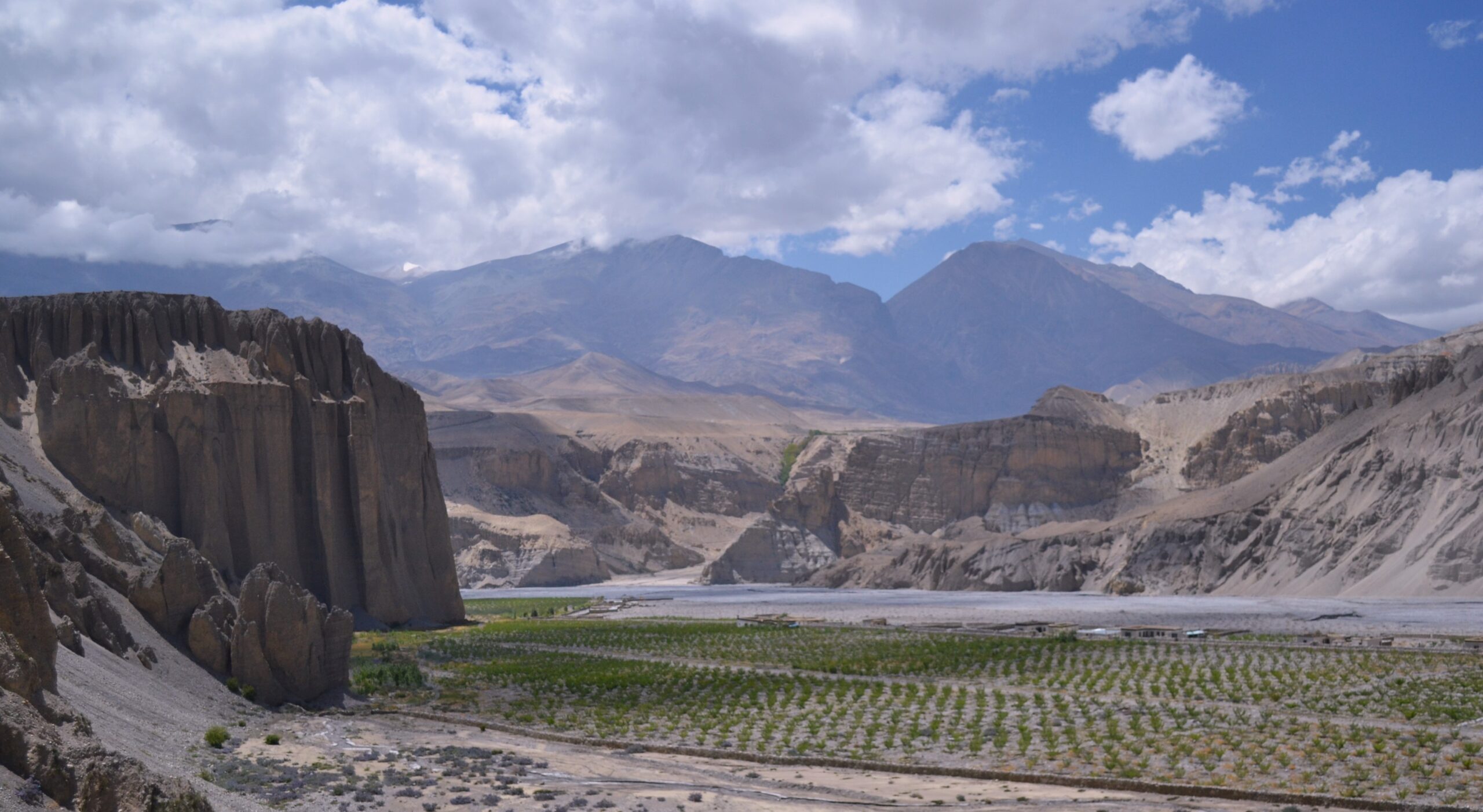
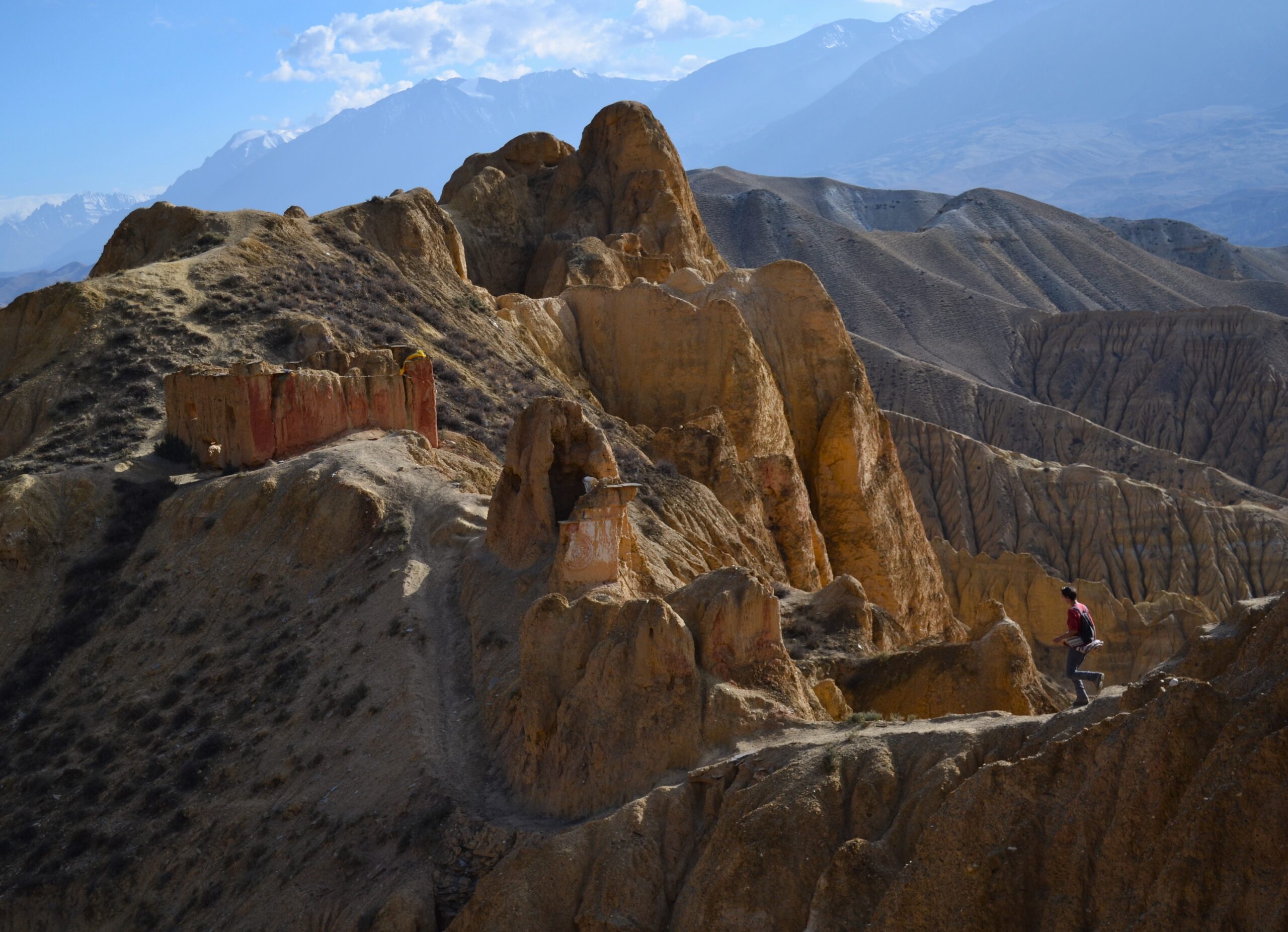
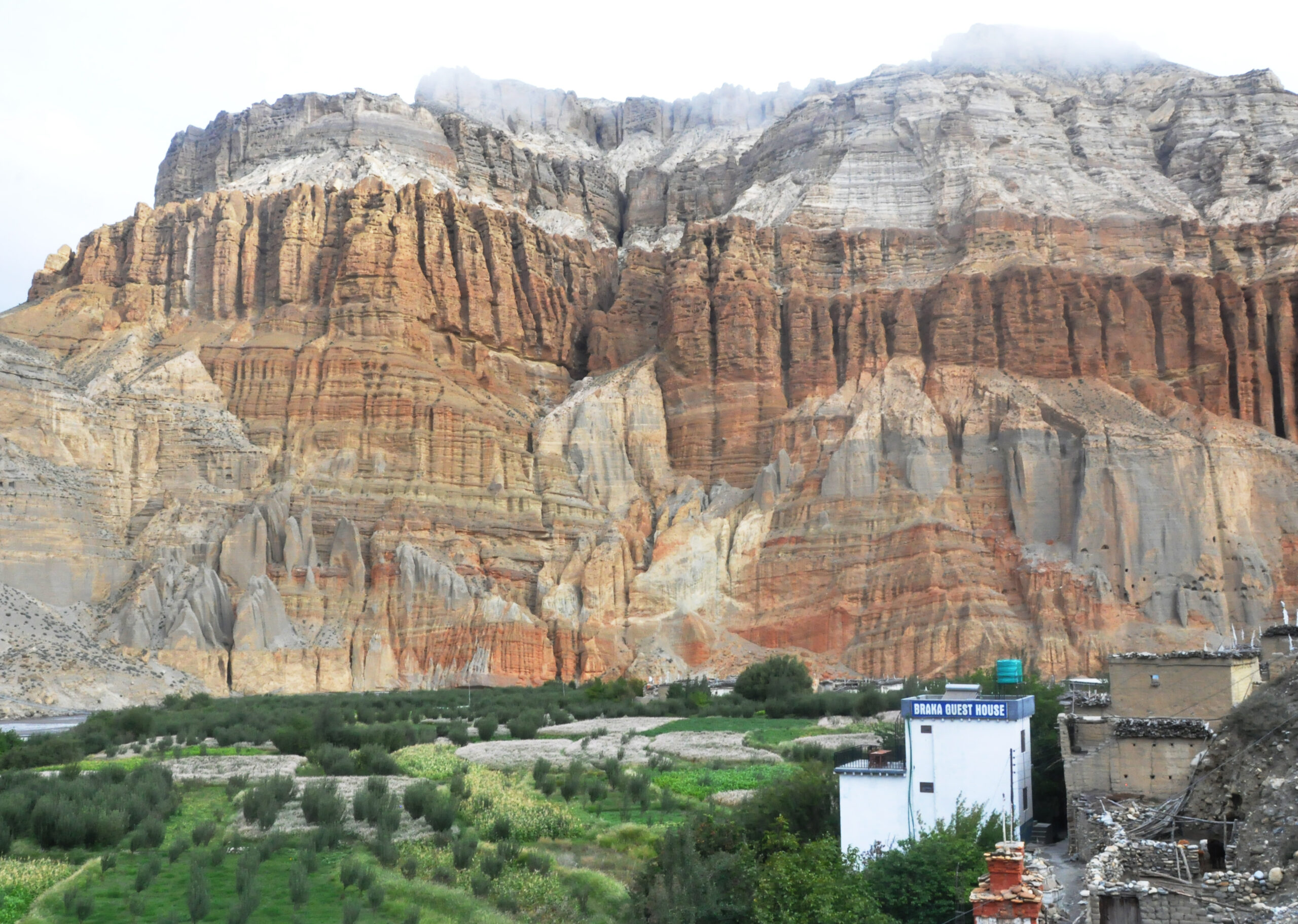
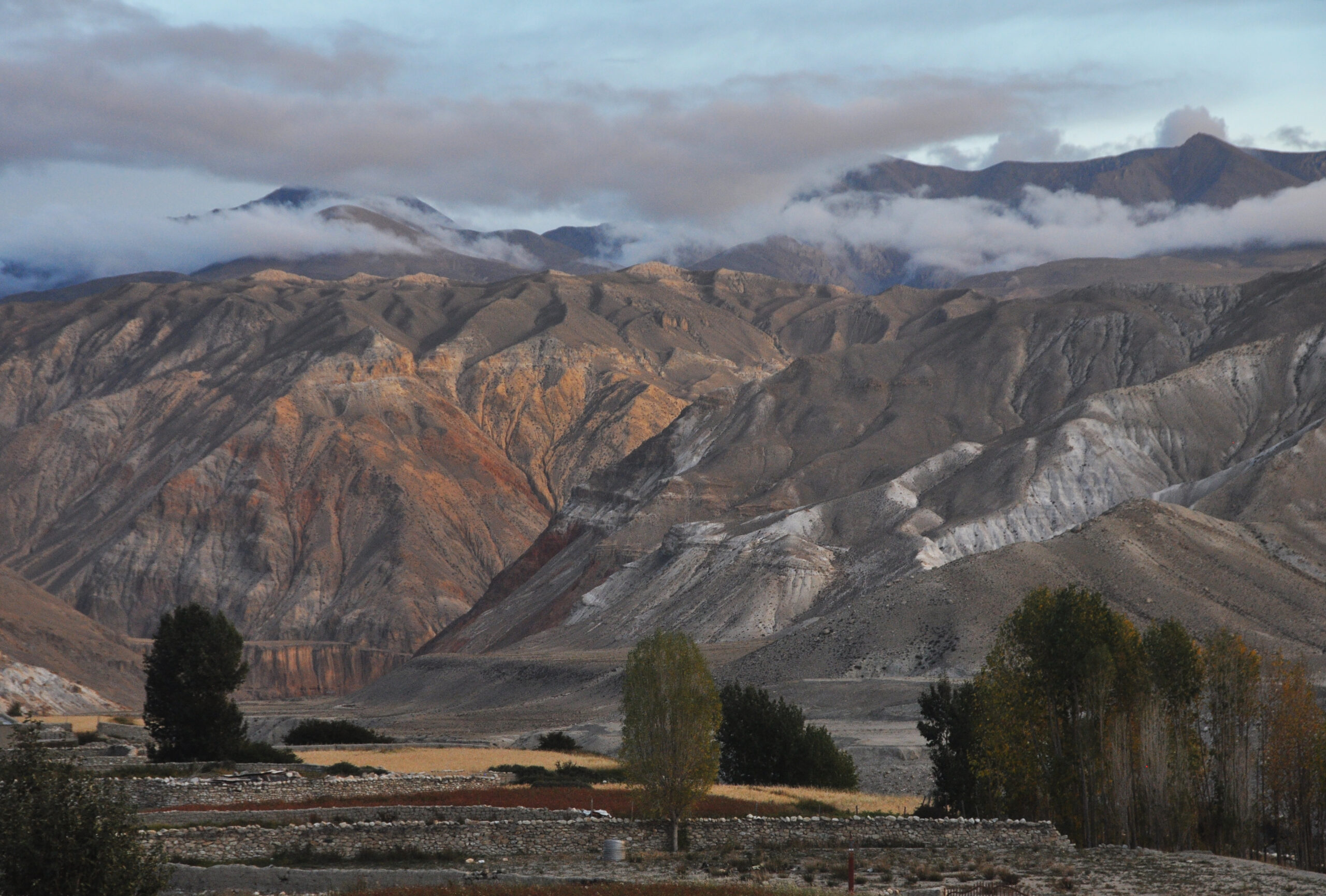
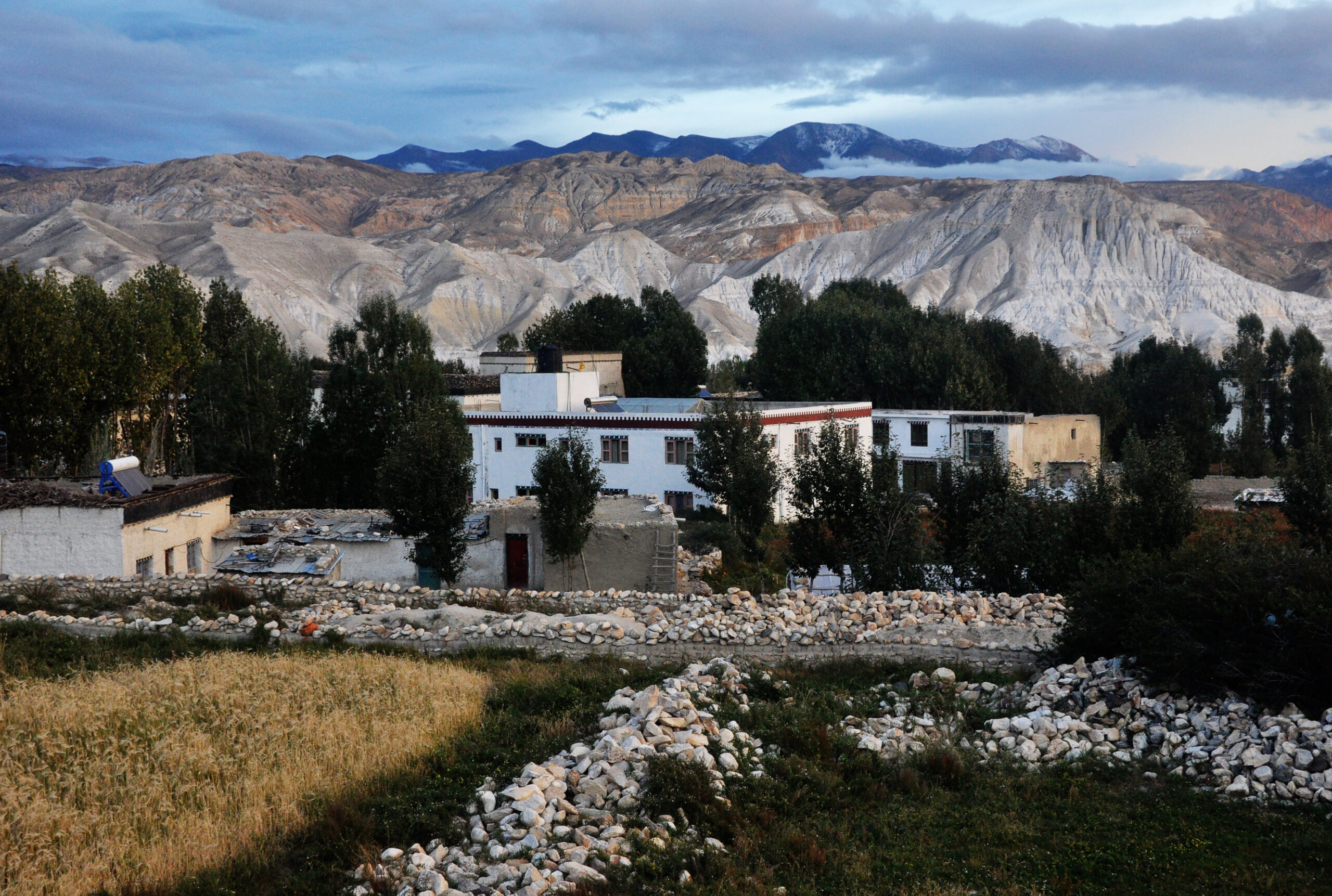
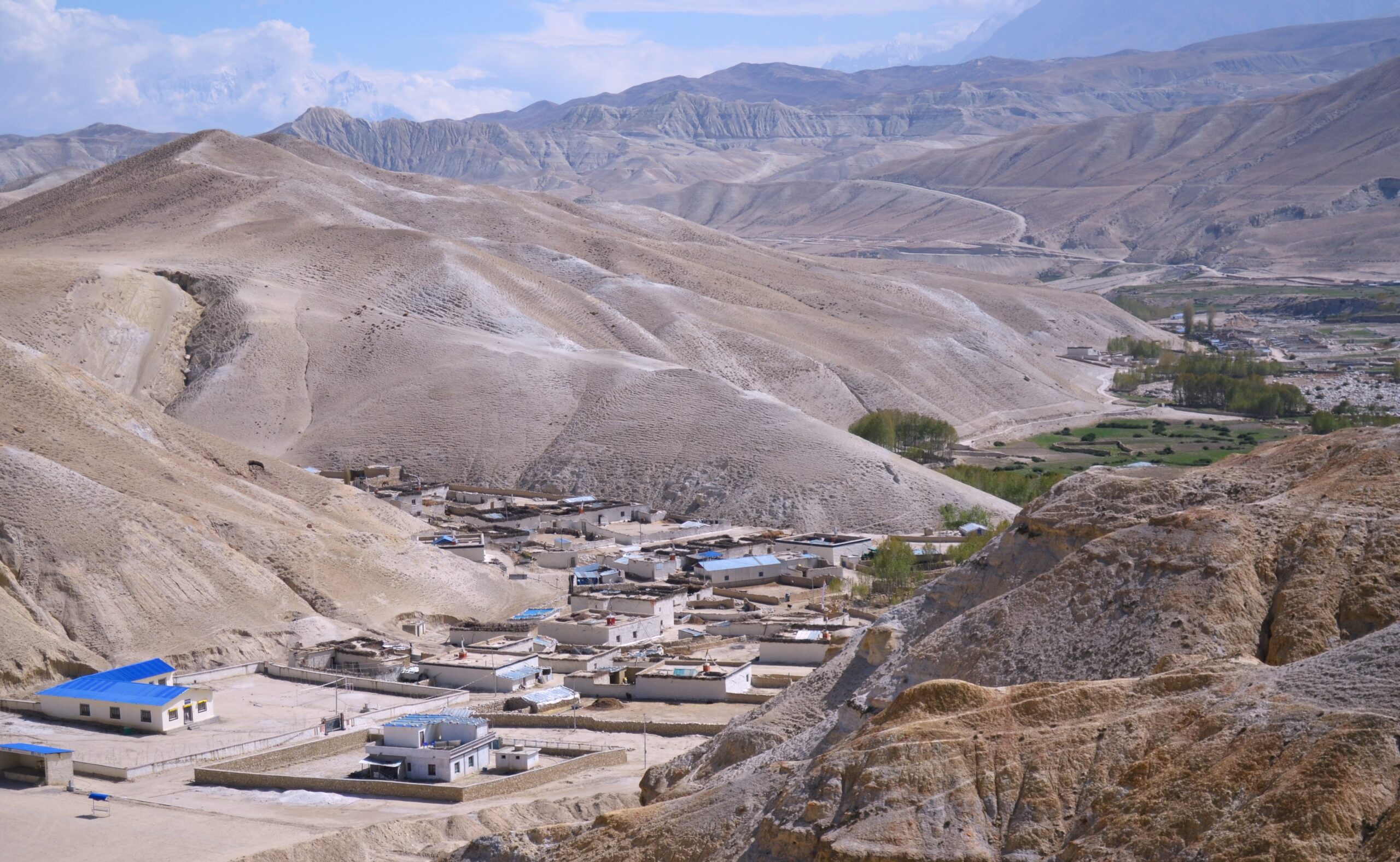
Upper Mustang is famous for its dry and windy landscapes, colorful cliffs, deep canyons, eroded hills, and spectacular rock formations. The scenery is completely different from the lush green landscapes found elsewhere in Nepal and creates an almost otherworldly trekking experience.
Ancient Monasteries and Caves
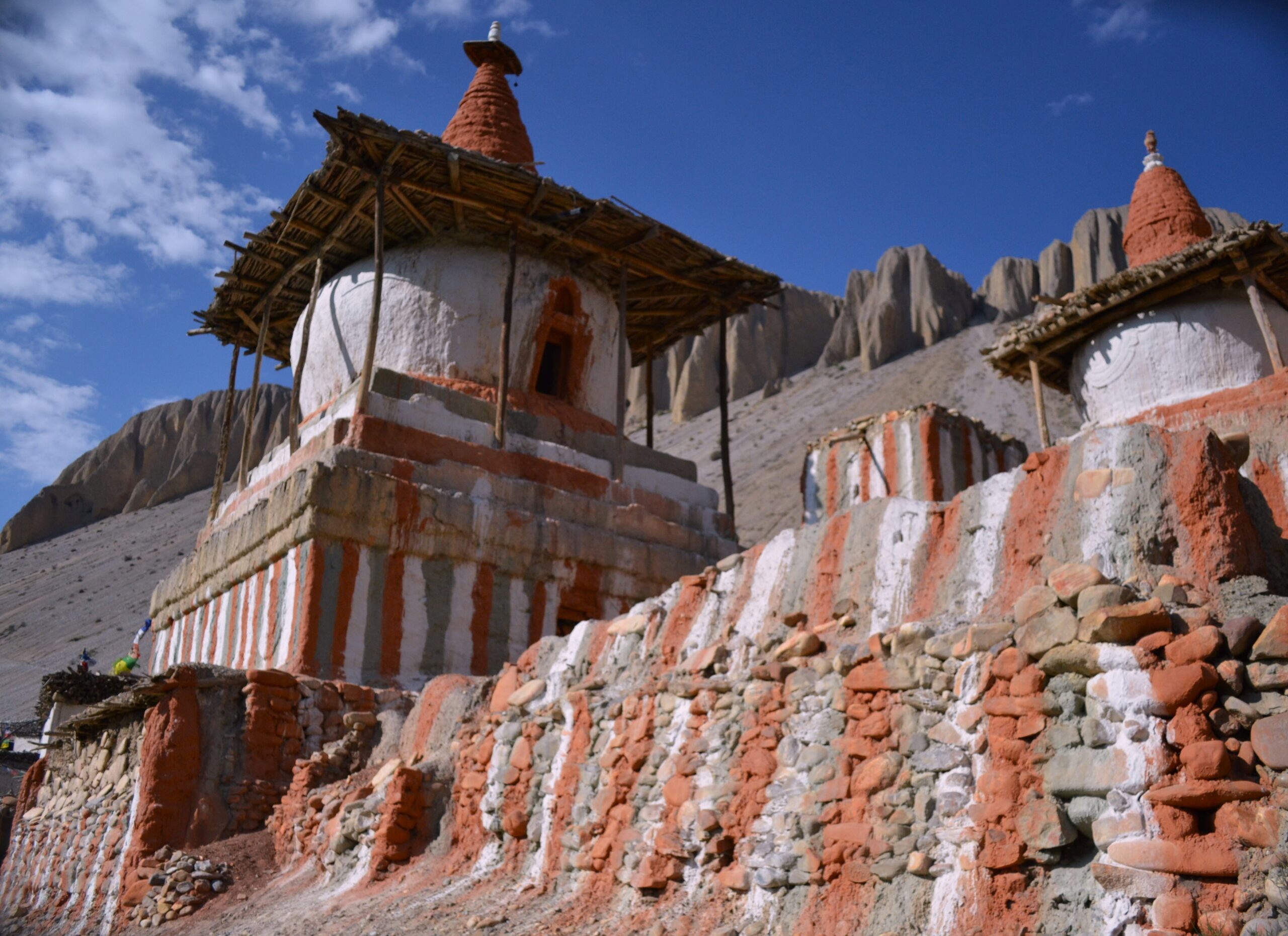
The region is home to numerous ancient monasteries, including Jampa, Thubchen, Ghar Gumba, and Luri Gumba. Many villages also have their own local monasteries, religious sites, and traditional Buddhist practices. The ancient caves around Chhoser, Yara, and other areas add another fascinating dimension to the journey.
Nar Phedi Monastery
Stay overnight at Nar Phedi, where the monastery provides simple accommodation and meals. Spending a night here is one of the most memorable experiences of the trek.
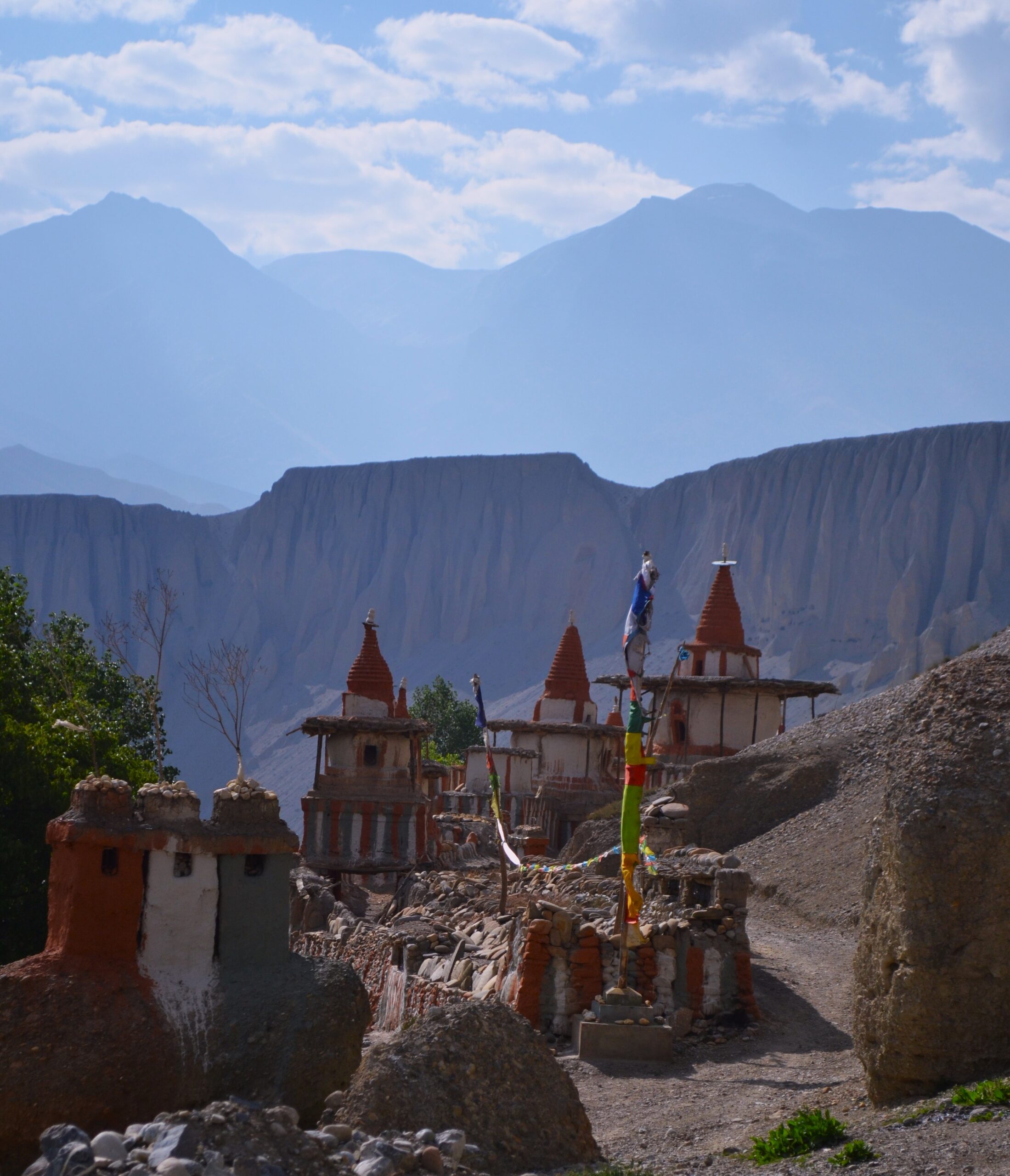
Ghami Mani Wall
The traditional village of Ghami is famous for its impressive mani wall, made from stone slabs carved with Buddhist prayers and mantras. It is an important cultural and religious landmark of Upper Mustang.
Tibetan-influenced Culture
Upper Mustang has strong cultural and historical connections with Tibet. You will experience Tibetan Buddhist traditions, architecture, clothing, food, monasteries, and traditional village life that have been preserved for generations.
Itinerary
Day 01: Pokhara – Jomsom – Kagbeni (2,810 m)
Fly or drive from Pokhara to Jomsom (2,720 m) and continue by a short drive to Kagbeni.
Day 02: Kagbeni – Samar – Syangboche (3,800 m)
Drive to Samar (3,660 m) by reserved local Jeep and trek to Syangboche via the fascinating Chhungsi Cave.
Day 03: Syangboche – Dhakmar (3,820 m)
Trek through spectacular landscapes and traditional villages to Dhakmar.
Day 04: Dhakmar – Tsarang (3,560 m)
Trek to Tsarang via Ghar Gumba (3,930 m).
Day 05: Tsarang – Lo-Manthang (3,840 m)
Trek via Marang (3,700 m) to the ancient walled city of Lo-Manthang.
Day 06: Exploration of Lo-Manthang
Explore the historic city, ancient monasteries, and surrounding areas. An optional excursion to Chhoser Valley can also be arranged.
Day 07: Lo-Manthang – Yara (3,650 m)
Trek through remote valleys and spectacular Mustang landscapes to Yara.
Day 08: Excursion to Luri Gumba (4,005 m)
Enjoy a day excursion to the fascinating Luri Gumba and return to Yara.
Day 09: Yara – Tangye (3,340 m)
Trek through remote and dramatic landscapes to the traditional village of Tangye.
Day 10: Tangye – Chhusang (2,980 m)
Continue through barren valleys, colorful cliffs, and spectacular landscapes to Chhusang.
Day 11: Chhusang – Kagbeni – Jomsom
Trek back to Kagbeni and drive onward to Jomsom.
Day 12: Jomsom – Pokhara
Take an early-morning flight from Jomsom to Pokhara, weather permitting.
Essential Information
Best Time to Trek
The best seasons for Upper Mustang are:
Spring: March to early June
Autumn: September to November
These periods generally offer stable weather, clear skies, and comfortable trekking conditions.
Trekking Permits
Upper Mustang is a restricted area, so a special trekking permit is required. Trekkers must travel with a registered guide. There is no longer a minimum requirement of two trekkers or a minimum 10-day stay for obtaining the restricted-area permit. An Annapurna Conservation Area Permit (ACAP) is also required. Permit fees and regulations can change, so we recommend confirming the latest rates and requirements when planning your trek.
Guide and Porter
A licensed guide is mandatory for the Upper Mustang Trek because it is a restricted trekking area. A porter is optional, but we highly recommend hiring one if you prefer to trek more comfortably without carrying a heavy backpack. Travelling with a local guide also allows you to better understand the culture, history, monasteries, and local lifestyle of Upper Mustang while ensuring a safer and smoother journey. Hiring local guides and porters also directly supports the local communities whose livelihoods are connected to tourism.
Physical Fitness
Upper Mustang does not require technical climbing experience, and beginners can complete the trek with a suitable itinerary and enough time. However, you should be prepared for several days of walking at relatively high altitude and on uneven terrain.
Accommodation and Meals
Accommodation is provided in local teahouses and guesthouses. Facilities are generally basic but similar to popular trekking routes such as Everest and Annapurna with warm and comfortable place to rest. Meals generally include Dal Bhat, noodles, rice, Tibetan bread, soups, vegetables, and other local and Western dishes, depending on availability..
Altitude and Acclimatization
Although the maximum elevation of the main settlements is lower than many popular high-altitude treks, altitude sickness is still possible. Trek at a comfortable pace, stay well hydrated, and allow enough time for your body to acclimatize.
Recommended Trekking Gear List
- Pair trekking boots
- Pair lightweight trekking sandals
- Pairs thin walking socks
- Pairs lightweight trekking trousers
- Trekking shirts
- Fleece jumper
- Set lightweight thermals
- Down jacket
- Hat with ear covers
- Neck warmer
- Pairs ‘thinners’ gloves
- Personal first aid kit
- Personal wash kit
- Trekking Pole (recommended)
- Pack tissues and wet wipes.
- Sunglass (Polarized )
- Camera, chips and all chargers for your electric devices.
- Head torch
- Ear plugs (recommended)
- Power bank , Light spike
- Sleeping bag
Trek Location
Share This:
Inquiry Trek Detail
Have Any Question?
Whether you need help choosing the right trail, packing the essential gear, or customizing your itinerary, our expert guides are here to support your journey.
Gallery of Our Tour
Prems Nepal Trek (Team PNT) is your locally owned and trusted trekking partner based in Pokhara. We specialize in safe, authentic, and unforgettable Himalayan adventures.
Quick Links
Useful Links
Newsletter
Subscribe to get special trek offers, travel tips, and inspiring mountain stories directly in your inbox.
© 2026 Prems Nepal Trek Pvt. Ltd.
Copyright © 2026. All Right Reserved.